.png)
Wearable Art. Indian Art. Artistic Clothing.
Art Catalog
Modern Art
Modern art, emerging in the late 19th and early 20th centuries, represents a departure from traditional forms, embracing innovation and experimentation. Movements such as Impressionism, Cubism, Surrealism, and Abstract Expressionism reflect this era's diverse styles and ideas. Pioneers like Claude Monet, Pablo Picasso, Salvador Dalí, and Jackson Pollock explored new techniques and perspectives, challenging conventions and capturing the complexities of modern life. Modern art's influence extends across painting, sculpture, architecture, and design, profoundly shaping contemporary culture and aesthetics.

Pattachitra Art
Pattachitra, a traditional art form from the state of Odisha and parts of West Bengal, India, is known for its intricate details, mythological narratives, and vibrant colors. The word "Pattachitra" is derived from the Sanskrit words "patta" (canvas) and "chitra" (picture), meaning a picture painted on canvas. These paintings typically depict scenes from Hindu mythology, particularly stories of Lord Jagannath, Lord Krishna, and other deities. The artists use natural dyes and pigments to create these detailed artworks, often on cloth or dried palm leaves. Pattachitra art is renowned for its bold lines, rich colors, and elaborate borders, reflecting the deep cultural heritage and religious traditions of the region.

Kalamkari Art
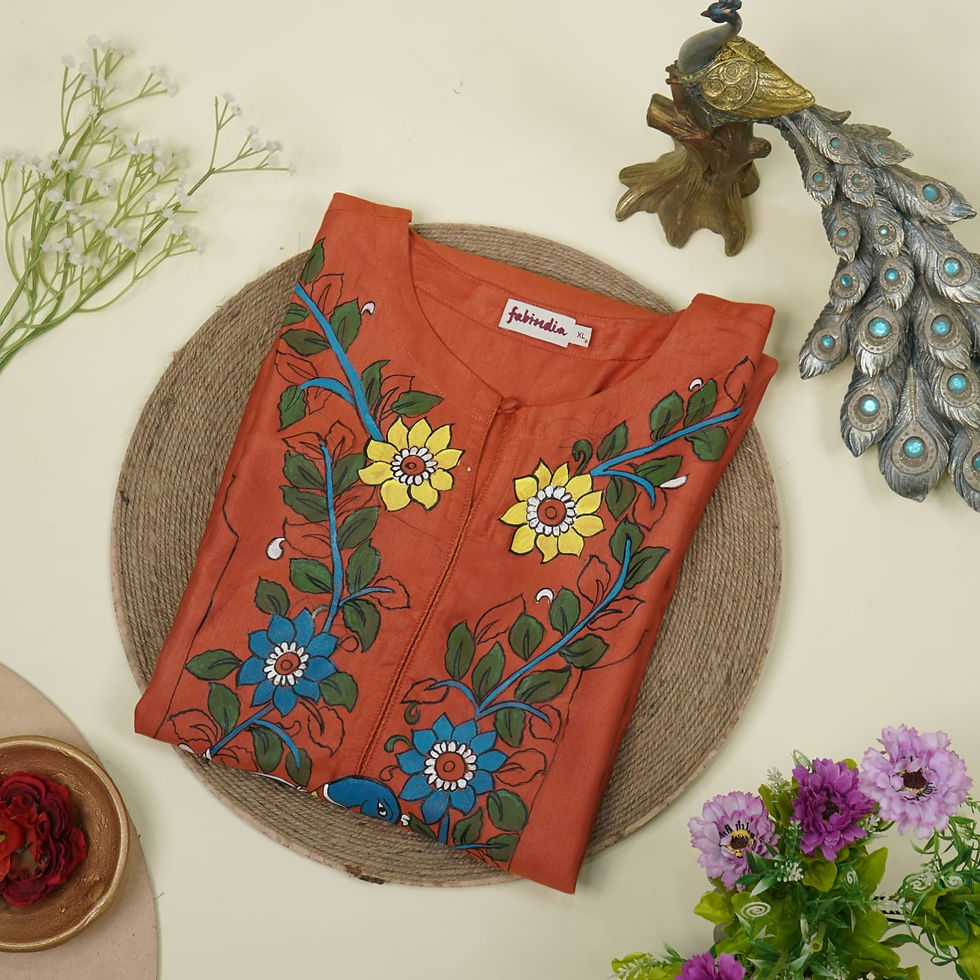
Kalamkari art, originating from Andhra Pradesh and Telangana in India, is a traditional form of hand-painted or block-printed textile art. The term "Kalamkari" comes from the Persian words "kalam" (pen) and "kari" (craftsmanship), meaning artwork created with a pen. This art form is distinguished by its intricate designs and patterns, often depicting mythological themes, religious symbols, and floral motifs. Kalamkari artists use natural dyes and a meticulous process involving several stages of dyeing, bleaching, hand-painting, and block-printing. There are two main styles of Kalamkari: Srikalahasti, which is freehand drawing with a pen, and Machilipatnam, which involves block printing. This ancient craft has been practiced for centuries and continues to be celebrated for its beauty, craftsmanship, and cultural significance.
Madhubhani Art
Madhubani art, also known as Mithila painting, originates from the Mithila region of Bihar, India. This traditional form of art is characterized by its intricate patterns, vibrant colors, and themes drawn from nature, mythology, and folklore. Typically created using fingers, twigs, brushes, nib-pens, and matchsticks, Madhubani paintings often depict scenes from Hindu epics, local legends, and daily life. Traditionally, these paintings were done on walls and floors of homes during festivals and special occasions, but they are now also found on paper, canvas, and textiles. Madhubani art is known for its use of natural dyes and pigments, and its distinctive style has gained global recognition for its beauty and cultural significance.

Mural Art
Mural art involves creating large-scale paintings or artworks directly on walls or ceilings, transforming ordinary spaces into extraordinary visual experiences. The tradition of mural painting dates back to ancient times and can be found in various cultures worldwide, including the frescoes of ancient Egypt, the cave paintings of prehistoric times, and the vibrant murals of the Renaissance period. In India, mural art has a rich history, particularly in states like Kerala, Rajasthan, and Tamil Nadu. These murals often depict religious themes, historical events, and social messages, using a mix of traditional and contemporary techniques. Modern mural artists continue to draw inspiration from these historical roots while exploring new styles and mediums, making mural art a dynamic and evolving form of artistic expression.
.jpeg)